

Choosing the perfect lipstick is about more than personal taste alone – it’s an art of matching colour to your natural skin tone. The right shade can highlight your best features, bring a fresh glow and a touch of charm to your whole look, while the wrong one can throw everything off balance and draw attention to the very things you’d rather play down.

Your skin’s undertone is that subtle yet hugely important element that determines which shades sit harmoniously on your face and which simply look out of place.
Today’s beauty trends offer a vast spectrum of lipsticks – from classic reds to modern purples and even daring blues. But one timeless truth remains: the best lipstick is the one that works with your skin’s undertone, plays up your natural beauty and reflects your personality. Lipsticks and lip oils each have their own distinct properties, so it pays to understand not only colour but also the nuances of texture and formula.
In this article you’ll learn how to pinpoint your skin tone accurately, which colours suit warm, cool or neutral undertones, how to tailor your lipstick to your hair and eye colour, and how different textures can transform the overall effect.
Understand Your Skin Tone and How to Identify It
Before choosing a lipstick, it’s essential to work out your skin tone. Whether your skin is fair or deep, its undertone can be cool, warm or neutral. This undertone is the key factor in deciding which colours will flatter you most.
Professional make-up artists, including the legendary Lisa Eldridge, stress that understanding your skin tone is the foundation of successful make-up. Here are a few tried-and-tested ways to identify yours:
The Vein Test
The vein test is one of the most reliable ways to determine your skin tone.

Do it somewhere well lit, ideally in natural daylight:
- Look at the inner side of your wrist, where the veins show up most clearly.
- If your veins look blue or purple, you most likely have a cool skin tone.
- If they look greenish or olive, you probably have a warm skin tone.
- If you find it hard to tell the colour, or you see both blue and green, your skin tone is most likely neutral.
The Jewellery Test
Another effective method is to notice how different metals look against your skin:
- Hold a silver and a gold piece of jewellery (or a swatch of fabric) up to your face.
- If your face looks more radiant with silver accessories, you probably have a cool skin tone.
- If gold-toned jewellery brings more light and freshness to your face, you most likely have a warm skin tone.
- If both metals suit you equally well, your skin tone is likely neutral.
The Sun Test
The way your skin reacts to the sun can also reveal your skin tone:
- If you tan quickly and rarely burn, you probably have a warm skin tone.
- If you burn quickly and struggle to tan, you most likely have a cool skin tone.
- If you tan gradually and occasionally burn slightly, your skin tone is likely neutral.
It’s worth noting that your skin tone has nothing to do with how light or dark your skin is. Both fair-skinned and deep-skinned people can have any of the three undertone types.
Common Mistakes When Identifying Your Skin Tone
When working out your skin tone, watch out for these common pitfalls:
- Testing your skin tone under fluorescent lighting, as this can distort how you perceive colour.
- Confusing your skin colour with your undertone.
- Trying to determine your undertone straight after tanning, when your skin colour has temporarily changed.
- Forgetting that redness or pigmentation can mask your true undertone.
Choosing Lipstick Colours to Suit Your Skin Tone
Once you know your skin tone, you can choose lipsticks that best complement your natural beauty.

Here are our recommendations by skin tone:
Cool Skin Tone
For cool skin tones, look for lipstick shades with blue or purple undertones:
- Classic reds: cherry, ruby, raspberry and deep reds with a blue undertone
- Pinks: fuchsia, bright pink and icy pink
- Nude shades: rosy nudes and soft mauve-toned nudes
- Bolder colours: silky plums, burgundy and dark berry tones
According to renowned make-up artist Pat McGrath, cool-toned complexions are especially suited to red lipsticks with a blue undertone, which visually whiten the teeth and create a striking contrast.
Warm Skin Tone
Warm skin tones are flattered by lipsticks with orange and yellow undertones:
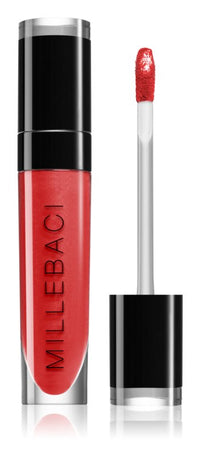
- Reds: orange-reds, tomato red and coral reds
- Pinks: peach, coral and apricot shades
- Nude shades: caramel, terracotta, honey and brown-toned nudes
- Bolder colours: orange, terracotta and cinnamon
Earthy tones are particularly flattering on warm skin tones, creating a harmonious, natural look. It’s best to avoid very cool, blue-based shades, which can make the face look tired.
Neutral Skin Tone
Those with a neutral skin tone are in luck – they can wear the widest range of colours:
- Reds: classic reds and true reds
- Pinks: almost every pink, from soft to vivid
- Nude shades: rosy browns and medium-intensity nudes
- Bolder colours: plum, berry, pomegranate and coral
Although neutral skin tones suit most colours, it’s worth paying attention to how a particular shade works with your eye and hair colour as you experiment.
If you’d like to try different shades, we recommend considering a lip colour enhancer, which adapts to your natural lip colour to create a shade that’s uniquely yours.
Unusual Ways to Choose Your Shade
The so-called “fingertip method” has recently become popular on social media. This TikTok trend suggests you:
- Press your fingertips together until they flush slightly.
- Notice the colour of the redness that appears – warm (orange), cool (pink) or neutral.
- Choose a lipstick in a similar tone, one that naturally harmonises with your skin’s undertone.
While this method isn’t scientifically proven, many people swear it works surprisingly well, especially when hunting for the perfect nude shade.
How to Match Lipstick to Your Features, Hair and Eye Colour
Although skin tone is a key factor when choosing a lipstick, it’s worth considering your other features too, as they can help you create a harmonious look.
Lipstick and Eye Colour
Your eye colour can either contrast beautifully or harmonise gracefully with your lipstick shade:
- Blue eyes: peach, coral and soft pink shades bring out the blue of your eyes.
- Green eyes: plum, berry and cherry shades create a charming contrast with green eyes.
- Brown eyes: brown eyes are wonderfully versatile, suiting warm corals and terracottas as well as cool cherries and deep berry tones.
- Hazel or amber eyes: chocolate, honey or copper lipsticks highlight the natural sparkle of your eyes.
According to celebrated make-up artist Mario Dedivanovic, the man behind Kim Kardashian’s flawless make-up, a contrasting colour pairing between the eyes and lips can create a dramatic, memorable look.
Lipstick and Hair Colour
Hair colour also plays an important role when choosing a lipstick:
- Blondes: bright reds, coral, peach and light berry shades.
- Brunettes: terracotta, copper, caramel and deeper reds.
- Dark hair: rich, deep tones – cherry, deep red and plum.
- Redheads: coral, peach and orange-red shades.
- Grey hair: rich, vivid colours – fuchsia, classic red and plum.
Lipstick and the Teeth-Whitening Effect
One important detail that’s often overlooked is the effect lipstick has on the whiteness of your teeth:
- Blue-toned red lipsticks visually whiten the teeth.
- Orange and yellow-toned lipsticks can emphasise a yellowish tinge in the teeth.
- Neutral and cool pink shades generally don’t affect the whiteness of your teeth.
When choosing a lipstick, consider whether you want to enhance your natural beauty or create contrast. For example, if you have green eyes, a deep red lip will create a striking look, while warm nude shades will give you a more natural, understated finish.
For inspiration and a wider range of products, it’s worth browsing the make-up category, where you’ll find not only lipsticks but plenty of other make-up essentials to help you put together the perfect look.
The Importance of Texture and Finish When Choosing a Lipstick
The texture of a lipstick can dramatically change the overall look and the appearance of your lips. Each texture has its own benefits and quirks worth considering before settling on the perfect lipstick.
Matte Lipsticks
Matte lipsticks remain popular for their long-lasting wear and intense pigmentation:
- Pros: long wear, no need for frequent touch-ups, vivid colour.
- Cons: can dry out the lips and emphasise lip lines and imperfections.
- Best for: big events where you need long-lasting results.
Professional make-up artists recommend prepping your lips before applying matte lipstick by gently exfoliating them and applying a moisturising balm, then removing it before putting the matte lipstick on.
Creamy Lipsticks
Creamy lipsticks are a versatile choice, perfect for everyday wear:
- Pros: moisturise the lips, glide on easily and feel comfortable.
- Cons: less long-lasting than mattes and can bleed beyond the lip line.
- Best for: everyday wear, mature skin and dry lips.
Creamy lipsticks show colour off beautifully and give the lips a healthy sheen.
Glossy Lipsticks and Lip Glosses
Glossy products visually plump the lips and add fullness:
- Pros: make lips look fuller and create a dewy, wet-look effect.
- Cons: wear off quickly and can feel sticky.
- Best for: thin lips, younger wearers and short-lived occasions.
Experts recommend applying glossy lipstick to the centre of the lips to create an even greater illusion of fullness.
Semi-Matte and Satin Lipsticks
These textures are a brilliant compromise between matte and creamy lipsticks:
- Pros: last longer than creamy formulas but are less drying than mattes.
- Cons: can be harder to find the right product.
- Best for: a versatile choice suited to most occasions.
Your choice of texture often depends on the season too – lightweight, glossy textures tend to be more popular in summer, while richer, matte finishes come into their own in autumn and winter.
To try professional lipstick textures and formulas, it’s worth considering high-quality products such as Nouba cosmetics – an excellent option for anyone after professional, long-lasting lipsticks.
Pairing Texture with Colour
Texture can change the intensity and impact of a colour:
- Bold, dark colours in a matte texture create a more dramatic effect.
- The same colour in a creamy formula looks softer and more everyday.
- A glossy texture makes the colour livelier and more playful.
Make-up artists often recommend experimenting with textures, especially if you want to test whether a particular shade suits you – the same colour can look completely different across different textures.
In Closing: Discover Your Perfect Lipstick
The hunt for the perfect lipstick is a personal journey, and understanding your skin tone is only the first step. To find your ideal match, it’s important to consider your skin tone, your eye and hair colour, and the texture of the lipstick as well as your personal style.
Remember, the most important rules in the world of beauty are the ones you make for yourself. Knowing your skin tone and understanding which colours suit you gives you a solid foundation, but the courage to experiment and step outside your comfort zone can lead to unexpected discoveries.
Start with the classic colours that match your skin tone, then gradually try a wider range of colours and textures. Keep at least one versatile colour for every occasion in your make-up collection – a neutral nude for everyday, a classic red for the evening and one bolder colour for special occasions.
Ultimately, the perfect lipstick is the one that not only suits your physical features but also gives you confidence and reflects your unique personality.

Frequently asked questions
How do I find my skin's undertone?
Check the veins on your wrist: bluish hints at a cool undertone, greenish at a warm one. Knowing this helps you pick shades that flatter you.
Which lipstick shades suit a cool skin tone?
Cool tones are flattered by berry, plum and blue-based reds. Warm tones come alive with corals, peaches and brick reds.
How do I keep lipstick from feathering?
Define the edges with a matching lip liner and blot after the first layer. A liner also helps the colour stay put for longer.