

Skin and hair are the mirror of our beauty, reflecting the overall condition of the body.
Exposed daily to environmental factors, stress and poor nutrition, they often lose their natural shine, elasticity and strength. Beauty supplements are a category of dietary supplements created specifically to nurture healthy skin and hair from within. However, with so many products on the market, it can be hard to choose solutions that truly work.
In this article we will look at which nutrients are essential for healthy skin and hair, which beauty supplements to choose for different concerns, how to recognise quality products and how to pick the ones best suited to you. We will explain which ingredients in beauty supplements are backed by science and which are merely marketing gimmicks.
How do supplements improve the condition of hair and skin?
The way beauty supplements work is based on a simple but important fact: skin and hair are built from what we eat. A lack of nutrients shows up first in these parts of the body, because the body prioritises supplying the vital organs. That is why, even with a small deficiency of vitamins or minerals, hair and skin can lose their shine and elasticity before we notice other symptoms of poor nutrition.
Scientific studies confirm that certain micronutrients are directly involved in the formation of healthy hair and skin. For example, biotin is essential for the production of keratin (the main building block of hair), vitamin C stimulates collagen synthesis in the skin, and zinc regulates the activity of the sebaceous glands. Dermatologists stress that a deficiency of these substances can lead to hair loss, dry skin and premature ageing.
Taking beauty supplements can be especially helpful in cases where the usual diet lacks important nutrients, or when the body has an increased need for them due to stress, hormonal changes or age.
The most common signs of vitamin and nutrient deficiency
The body often sends clear signals when it lacks important nutrients. These signs can be a warning that it is worth reviewing your diet or considering beauty supplements:
- brittle, breaking hair – may signal a deficiency of biotin, iron or zinc
- hair loss – often linked to a lack of vitamin D, iron or omega-3 fatty acids
- dry, flaking skin – may be a sign of a vitamin E, omega-3 or vitamin A deficiency
- slow wound healing – signals a lack of vitamin C or zinc
- brittle nails – often associated with a biotin or iron deficiency
- reduced skin elasticity – may be the result of a lack of collagen, vitamin C or antioxidants
If you notice these signs, it is worth assessing your diet and, after consulting a specialist, considering suitable beauty supplements.

One of the most effective solutions is complex supplements that combine a balanced mix of various vitamins and minerals that directly affect the condition of hair and skin.
The best supplements for strong hair
When choosing supplements to improve hair health, it is important to understand which ingredients have a real effect on hair structure and growth. Dermatologists and nutrition specialists single out several key components whose effectiveness has been proven by scientific research.
Biotin (vitamin B7 or H) is one of the most valued dietary supplements for hair health. This water-soluble vitamin is essential for the synthesis of hair keratin – the protein that forms the main structure of hair. Nutrition specialists often recommend a daily dose of 2,500–5,000 mcg of biotin, which can help reduce hair loss and improve hair strength. Biotin supplements are particularly useful for people experiencing hair thinning due to hormonal changes or age.
Iron also plays an important role in hair health. This mineral helps oxygen reach the hair follicles, stimulating their growth. Iron deficiency is one of the most common causes of hair loss, especially among women of reproductive age. Before starting iron supplements, it is recommended to check your blood iron levels, as excessive intake can be harmful.
Zinc is another important mineral that regulates the activity of the sebaceous glands around the hair follicles. It is also involved in protein synthesis and the creation of new cells, which is essential for healthy hair growth. The optimal dose of zinc in supplements ranges from 8 to 11 mg per day, depending on age and sex.
MSM (methylsulfonylmethane) is a natural sulphur compound that helps form the structure of hair. Sulphur is a component of keratin – the main building block of hair. MSM supplements can help strengthen hair and stimulate its growth, but it is recommended to start with a lower dose and observe how the body reacts.
Vitamin E is a strong antioxidant that helps protect hair follicles from oxidative stress and inflammation. This vitamin improves blood circulation in the scalp, ensuring better delivery of nutrients to the hair roots. The recommended dose of vitamin E in supplements is usually 15–30 mg per day.
Biotin and collagen – science and myths
Biotin is often called the "beauty vitamin" because of its positive effect on hair, nails and skin. Scientific studies confirm its effectiveness in treating biotin deficiency, which manifests as hair loss and brittle nails. However, it is important to understand that taking extra biotin may bring no significant benefit to people whose levels are already adequate. Dietitians note that most people get enough biotin from food, especially by eating eggs, nuts and whole-grain products.
Collagen – a protein that makes up about 30% of the body's total protein – is also often linked to hair health. Although collagen is mostly associated with skin elasticity, some studies suggest it may also be beneficial for hair. Collagen supplements can help strengthen hair follicles and stimulate hair growth, especially in people whose natural collagen production slows with age. It is recommended to choose hydrolysed collagen supplements, which are more easily absorbed.
Combining biotin and collagen in a single supplement can produce a synergistic effect, strengthening hair both from within and on the outside.

However, it is important not to fall for marketing promises of "miracles overnight" – noticeable results are usually achieved only after 3–6 months of consistent use.
Essential beauty supplements for radiant skin
The health and beauty of the skin depend heavily on the right balance of nutrients. Quality supplements can complement your daily diet and help maintain skin elasticity and moisture, as well as protect it from external factors. Dermatologists and beauty specialists recommend several key ingredients whose effectiveness has been confirmed by scientific research.
Collagen is the main structural protein of the skin, making up about 80% of the dermis. With age, the body's natural collagen production decreases, which leads to wrinkles and a loss of skin elasticity. Clinical studies show that taking 2.5–10 g of hydrolysed collagen per day can significantly improve skin hydration and elasticity and reduce the depth of wrinkles. Type I and III collagen, which are directly involved in skin renewal processes, work most effectively.
Hyaluronic acid is a natural humectant capable of retaining water in the skin. It helps the skin stay moist, elastic and smooth. Although hyaluronic acid is more often used externally in creams or serums, studies show that taking it as a supplement (100–200 mg per day) can also be effective, especially for addressing skin dryness.
Vitamin C is essential for collagen synthesis and has strong antioxidant properties, protecting the skin from damage caused by UV rays and environmental pollution. The recommended dose of vitamin C in supplements is 500–1,000 mg per day. It is important to choose a non-acidic, buffered form of vitamin C, which is gentler on the stomach.
Omega-3 fatty acids (EPA and DHA) regulate inflammatory processes in the skin and help maintain its barrier function and moisture. They are especially helpful for problems such as eczema, acne or psoriasis. Dermatologists often recommend 1–2 g of omega-3 fatty acids per day to improve skin condition.
Vitamin E is a powerful antioxidant that protects skin cells from the effects of free radicals and supports healing processes. It is often combined with vitamin C, as these vitamins enhance each other's action. The recommended dose in supplements is 15–30 mg per day.
Zinc helps regulate sebum production in the skin and has anti-inflammatory properties, which makes it especially useful for oily and acne-prone skin. Studies show that 30–45 mg of zinc per day can significantly reduce the occurrence of acne.
Collagen for skin elasticity – evidence and myths
Collagen supplements have become one of the most popular solutions in the fight against skin ageing, but the question arises – do they really work? Scientific studies provide evidence that orally taken collagen peptides can reach the skin and stimulate natural collagen production. A 2019 meta-analysis of 11 placebo-controlled studies showed that taking collagen peptides statistically significantly improved skin hydration, elasticity and collagen density.
However, it is important to understand a few key aspects of collagen supplements. First, not all forms of collagen are equally effective. Hydrolysed collagen (broken down into smaller peptides) is more easily absorbed than unprocessed collagen. Second, the results are not immediate – you need to take the supplements consistently for 8–12 weeks to notice visible changes.
A common myth is that ingested collagen peptides directly replace the missing collagen in the skin. In reality the mechanism is more complex – collagen peptides act as signals that stimulate fibroblasts (skin cells) to produce more collagen. In addition, collagen synthesis also requires other nutrients – vitamin C, zinc, copper and silicon – so for optimal results it is worth choosing complex supplements or ensuring you get these substances from food.
Another widespread myth is that collagen creams can replace collagen supplements. Unfortunately, collagen molecules are too large to penetrate the skin barrier, so topically applied products cannot directly replenish the skin's collagen reserves. They can act as moisturisers, but for a long-lasting effect it is recommended to choose supplements taken orally.
You can try high-quality collagen supplements that contain at least 2.5 g of hydrolysed collagen per dose and see the benefits for your skin for yourself.
How to choose the right beauty supplement
Choosing the right beauty supplement can be a difficult task, given the wide range of products on the market. First of all, it is worth considering your individual needs – whether you want to address a specific problem (for example, hair loss or dry skin) or simply support the overall health of your hair and skin. For specific problems it is better to choose targeted supplements, while complex combinations of vitamins and minerals are suitable for general care.
The quality of the ingredients and their bioavailability are among the most important factors when choosing a supplement. Pay attention to the forms of the ingredients – for example, hydrolysed collagen is better absorbed than unprocessed collagen, and chelated forms of minerals (compounds with amino acids) are absorbed more effectively than inorganic salts. In the case of vitamins, natural vitamins often have better bioavailability than synthetic ones.
Products from trusted manufacturers guarantee the purity of the ingredients and the declared amount of substances. Look for supplements that have been tested by independent laboratories and have quality certificates confirming that the product is free of heavy metals, pesticides and other harmful impurities. When choosing beauty supplements, it is worth paying attention to the manufacturer's reputation and consumer reviews.
It is important to assess the composition of supplements and avoid unnecessary additives. Quality products usually contain no artificial colourings, preservatives or sweeteners. Also pay attention to allergens – some supplements may contain gluten, lactose, soy or other substances that can cause an allergic reaction in sensitive people.
Dosage and ease of use are also important factors. Some supplements require taking several tablets a day, while others need just one dose. Consider which form is most convenient for you – tablets, capsules, powder, liquid, or even tasty hair gummies. For example, collagen powder is easy to mix into coffee or a smoothie, and biotin capsules are easy to swallow.
Finally, before you start taking any new supplement, consult a doctor or nutrition specialist, especially if you have chronic conditions or take other medicines. Some supplements can interact with medicines or have side effects, so professional advice will help you avoid potential risks.
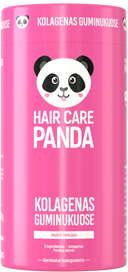
The best natural beauty supplements are usually those that contain scientifically backed active ingredients in optimal amounts, without unnecessary additives, and that match your individual needs. For example, products such as Hair Care Panda vegan hair gummies, which contain biotin and other vitamins important for hair, are popular on the market. Remember that even the best supplement cannot replace a balanced diet, sufficient water intake and proper skin and hair care.
Conclusions
Beauty supplements can be a valuable tool for strengthening hair and improving skin condition, especially when the usual diet lacks important nutrients. Scientific studies confirm that ingredients such as biotin, collagen, vitamins C and E, zinc and omega-3 fatty acids can significantly improve hair strength, stimulate its growth and rejuvenate the skin.
When choosing beauty supplements, it is important to consider your individual needs, the quality of the ingredients and the reliability of the manufacturer. The best results usually come from a comprehensive approach – a proper diet, sufficient water intake, stress management and quality supplements. Remember that results are not immediate – noticeable changes usually appear after 2–3 months of consistent use.

Before starting any supplements, it is recommended to consult a healthcare specialist who can suggest the most suitable solution based on your health condition and needs. Properly chosen beauty supplements can become an effective investment in your natural beauty and well-being.
Frequently asked questions
Which vitamins are most important for hair and skin?
Biotin, zinc, vitamins C and E, and collagen are among the most valued for supporting hair strength and skin elasticity. A varied diet matters too — supplements work best alongside good nutrition.
How long does it take to see results from beauty supplements?
Hair and nails grow slowly, so visible changes usually appear after 8–12 weeks of consistent use. Patience and regularity are key.
Can I take several beauty supplements at once?
Often yes, but check that ingredients don't overlap in high doses and follow each label's recommended amount. If you take medication or are pregnant, consult a specialist first.