

Hair loss is a problem that spares no one, regardless of age or gender. It often becomes a major source of worry that can leave you feeling insecure and even chip away at your self-esteem. It is important to understand that losing a certain amount of hair is a completely natural process – but when does it cross the line into something to worry about? In this article we will look at why hair falls out, how to tell normal shedding from a problematic kind, and, most importantly, the effective steps you can take to stop the loss and restore your hair's health. You will learn about the main causes you need to identify, along with the effective measures that will help you tackle the problem.
If you would like to learn more about everyday hair care, we recommend reading up on the basics of healthy hair care, which will help keep your hair strong and healthy.
Understanding hair loss: what is normal, and what signals a problem?
Hair loss can be unsettling, but it helps to know that losing a certain amount of hair is perfectly normal. On average, a person sheds 50–100 hairs a day – a natural part of the hair's renewal cycle.

Hair grows and falls out in line with three distinct stages of its cycle: the growth phase (anagen), the transitional phase (catagen) and the resting phase (telogen).
The growth phase usually lasts 2–6 years, during which the hair grows actively. The transitional phase is short, lasting only a few weeks, as the hair prepares to fall out. Finally, in the resting phase (telogen), the hair relaxes completely and falls out naturally, making way for a new one. Under normal circumstances, around 85–90% of hairs are in the growth phase, while the rest are in the transitional or resting phase.
The problem arises when the hair cycle is disrupted and too many hairs move into the resting phase at once, or when new hairs no longer grow back quickly enough to replace those that are lost. Research by dermatologist Christopher-Vincent Remmers shows that if you notice more than 100–150 hairs shedding a day, visible thinning, bald patches or a sudden change in hair texture, these may be signs that your hair loss has crossed the line beyond what is normal.
The most common causes of hair loss
Hair loss can be triggered by a host of factors – from simple, easily corrected ones to complex medical conditions. Understanding exactly what is causing your hair loss is the first step towards solving the problem. These causes often overlap, so it is worth paying attention to every possible factor.
Genetics and heredity
Genetic hair loss, also known as androgenetic alopecia, is the most common form of hair loss in both men and women. In men it shows up as receding at the temples and thinning at the crown, while in women it more often appears as general thinning, particularly on the top of the head.

This form of hair loss is driven by sensitivity to dihydrotestosterone (DHT) – a form of testosterone that weakens the hair follicles and shortens the hair's growth cycle.
Hereditary hair loss depends on the genes of both parents, not just the mother, as is often assumed. In men, androgenetic alopecia can begin as early as just after puberty, while in women it usually becomes noticeable around the age of 40–50 or after the menopause, as the hormonal balance shifts.
Diet and lifestyle
A poor diet and strict crash diets can have a serious impact on the condition of your hair.

The body gives priority to its vital organs, so when nutrients are in short supply, the hair receives fewer of the substances it needs. Studies show that a deficiency in iron, zinc, vitamins D, E and the B group (especially biotin) is directly linked to weaker hair and shedding.
Chronic stress also has a negative effect. It causes a hormonal imbalance, which can prompt the hair follicles to enter the resting phase earlier than usual. Intense physical or emotional trauma can also trigger telogen effluvium – a condition in which hair loss suddenly increases 2–3 months after a stressful event.
Other lifestyle factors, such as smoking and excessive alcohol consumption, also harm hair health by reducing the supply of oxygen and nutrients to the hair follicles.
How to identify the cause of your problem? When should you be concerned?
Identifying the cause of hair loss on your own can sometimes be tricky, but there are a few signs worth paying attention to when assessing the situation. First of all, take note of the pattern of the loss – is your hair shedding evenly, or are bald patches appearing? Is the loss sudden or gradual?
To assess the condition of your hair, it helps to carry out a simple check. Gently pull on a small section of hair (about 40 strands) – if you pull out more than 5–8 hairs, this may signal increased shedding. Also pay attention to the ends of the hairs that have fallen out – do they have a small bulb (this is normal), or is the hair broken (which may indicate brittle hair)?
Signs that should prompt you to see a specialist:
- sudden, intense hair loss over a short period of time;
- irregularly shaped bald patches;
- itching, redness or flaking of the scalp;
- hair loss alongside other symptoms such as fatigue, weight changes or digestive problems;
- loss that began after starting a new medication;
- hair loss before the age of 20.
If you notice these signs, or if your hair loss continues for longer than two months without any clear cause, it is advisable to consult a dermatologist or a trichologist – a specialist who focuses on hair and scalp problems.

Learn more about the signs of problematic hair loss and when to see a specialist.
Effective solutions and treatments
The good news is that modern medicine and cosmetology offer plenty of effective ways to fight hair loss. The treatment method should be chosen according to the cause of the loss, its severity and your individual circumstances. In most cases, a combined approach – pairing several treatment methods together – is the most effective.
Supplements and vitamins: what is worth knowing?
The right supplements can make a meaningful contribution to improving the health of your hair. Scientific research shows that certain vitamins and minerals are especially important for hair growth and strength:
- Biotin (vitamin B7) – helps hair grow and strengthens the keratin structure;
- Iron – essential for transporting oxygen to the hair follicles;
- Zinc – regulates the production of the hormone DHT, which is often linked to androgenetic alopecia;
- Vitamin D – activates dormant hair follicles;
- Vitamin E – improves blood circulation in the scalp;
- Omega-3 fatty acids – reduce inflammation and support hair health.
That said, before you start taking any supplements, it is important to consult a doctor and get tested to find out which vitamins you are actually lacking. Too much of certain vitamins can be harmful, and taking them unnecessarily is simply a waste of money.
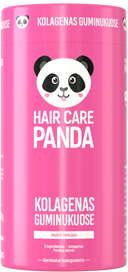
Complex hair supplements that combine several beneficial components often deliver better results than single vitamins. On the market you can find complexes designed specifically for hair, containing a balanced blend of vitamins, minerals and amino acids.
Professional treatment options
When hair loss is advanced or intense, medical procedures carried out by specialists may be needed:
- Medication – Minoxidil (5% for men and 2% for women) is the only FDA-approved topical medicine that stimulates hair growth. Finasteride (tablets) effectively treats androgenetic alopecia in men by blocking DHT production.
- Mesotherapy – a procedure in which a solution containing vitamins, trace elements and growth factors is injected into the scalp to stimulate the hair follicles. It is particularly effective in the early stages of hair loss.
- PRP therapy (platelet-rich plasma) – an innovative procedure in which plasma extracted from the patient's own blood and enriched with platelets is injected into the affected areas of the scalp. These platelets release growth factors that activate the renewal of the hair follicles.
- Hair transplant – a surgical procedure in which hair follicles are moved from areas of the scalp with plenty of hair to bald areas. Modern techniques (FUE, FUT) make it possible to achieve a natural-looking result.
Each method has its own advantages and drawbacks. For example, medication requires ongoing use, and once treatment stops, the results may disappear. A hair transplant provides long-lasting results, but it is more expensive and more invasive. The most suitable method should be chosen by a specialist after assessing your individual situation.
Discover specially formulated hair serums designed to support scalp health and stimulate growth.
Everyday hair and scalp care that improves the situation
Everyday hair care plays an essential role in the fight against hair loss. A well-chosen routine not only helps preserve the hair you already have, but also creates favourable conditions for new hair to grow. Start with the gentlest methods, which minimise damage to the hair.
First of all, avoid washing your hair too often – this can strip away the natural scalp oils that your hair needs to stay healthy. For most people, washing the hair 2–3 times a week is enough. Choose shampoos that are free from sulphates and parabens, which are gentler on the scalp and do not damage the skin's natural barrier.
A scalp massage is a simple but effective way to improve blood circulation in the scalp, which in turn stimulates the hair follicles. Massage the scalp with gentle circular movements for 5 minutes a day, or use a special comb with silicone teeth.
Use hot-air drying as little as possible – heat weakens the hair and makes it more brittle. Let your hair dry naturally, or use a hairdryer on its lowest heat setting, keeping it at least 15 cm away from your hair.
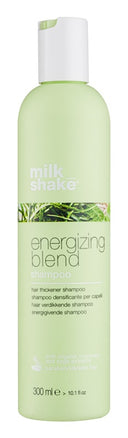
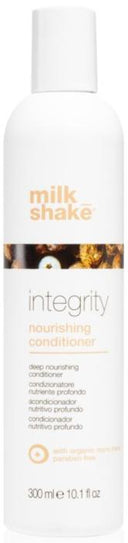
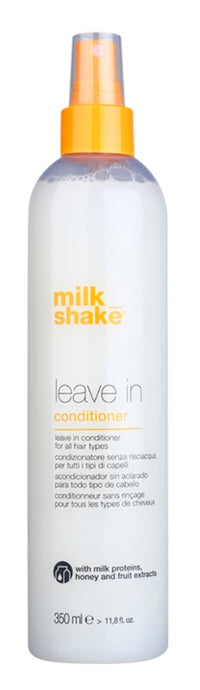
Use conditioners and hair masks regularly to give your hair moisture and improve its condition. Take a look at strengthening shampoos designed for thinning, brittle hair, which can help with your specific concerns.
Recommended everyday products
The modern cosmetics industry offers a wide range of specialised products designed to fight hair loss:
- Caffeine shampoos – boost blood circulation in the scalp and block the effect of DHT on the hair follicles;
- Peptide serums – improve the supply of nutrients to the hair follicles;
- Keratin conditioners – strengthen the hair's structure and reduce breakage;
- Hair masks with argan or wheat germ oil – supply the hair with valuable nutrients;
- Scalp scrubs – remove the layer of dead cells and stimulate hair growth;
- UV protection products – protect the hair and scalp from the harmful effects of the sun.
When choosing products, pay attention to the ingredients. Avoid products that are full of harsh chemicals such as sodium lauryl sulphate (SLS), parabens and formaldehyde-releasing preservatives. These substances can irritate the scalp and worsen the condition of your hair.
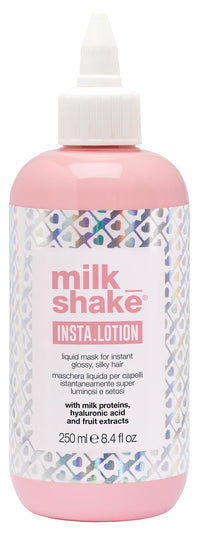
Treat your hair to deeply nourishing masks from the LIPSELL collection, which will help revive your hair and give it new life.
Conclusions
Hair loss is a problem that can be managed successfully with enough knowledge and the right products. The key is to understand that early intervention is crucial to solving the problem successfully. The sooner you respond to the first signs of thinning, the greater your chances of keeping your hair and achieving good results.
You will achieve the best results by combining several strategies: a balanced diet, the right daily care, stress management and, if needed, medical treatment. Remember that hair regrowth takes time and patience – the first results are usually only noticeable after 3–6 months of consistent treatment.
Do not forget that every person's situation is unique, so what works for one person will not necessarily work for another. If your hair loss is worrying you or significantly affecting your quality of life, it is always worth consulting a dermatologist or trichologist, who can help you choose an individualised treatment plan.
Frequently asked questions
How much daily hair shedding is normal?
Losing roughly 50–100 hairs a day is a normal part of the hair cycle. Noticeably more, or sudden thinning, is worth paying attention to.
What are the most common causes of hair loss?
Stress, hormonal changes, nutrient gaps and harsh styling are among the frequent triggers. Identifying the cause is the first step to addressing it.
Which products can help strengthen thinning hair?
Bond-building treatments, strengthening shampoos and supplements with biotin and zinc can support hair condition. Gentle handling and less heat help too.