
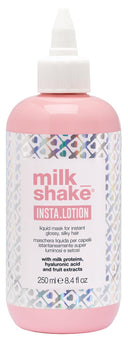
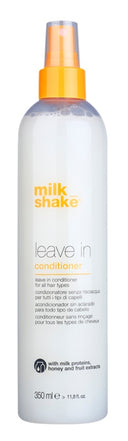
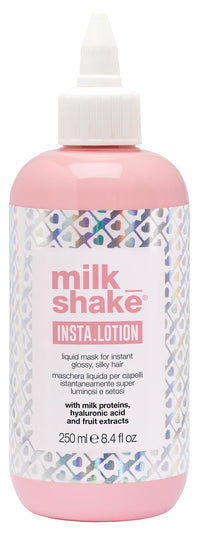

A hair mask is an intensive treatment that penetrates far deeper than an everyday conditioner, delivering an extra dose of nourishment, moisture and repair. Unlike conditioner, which works only on the surface layer of the hair, a mask sinks into the hair's structure and rebuilds damage from within. In modern hair care, masks are no longer a luxury but an essential – especially for hair that endures daily stress from heat, colouring or environmental factors.

To find the perfect mask for your hair, it is well worth browsing specialist stores, where you will discover a wide selection of hair masks.
In this article you will learn:
- How masks differ from conditioners
- How to choose a mask to suit your hair type
- The exact step-by-step routine for using a mask
- How often you should use a mask
- The most common mistakes and myths about hair masks
- Expert tips for achieving the best results
What Sets a Hair Mask Apart? The Science and Purpose
Although many people use conditioners and masks interchangeably, these products are fundamentally different. Conditioners are designed for everyday use – they gently protect the hair, add shine and make detangling easier. Masks, on the other hand, are formulated for intensive nourishment, with a far higher concentration of active ingredients and a longer working time.
A hair mask formula is usually thicker in consistency and contains a higher proportion of oils and nourishing substances. Their molecules are designed to penetrate deep into the hair and rebuild its structure from the inside out. Trichology specialists point out that a conditioner acts only on the outer layer of the hair (the cuticle), whereas a mask reaches the inner layers as well (the cortex).
Hair masks tackle specific concerns:
- Dryness – intensely hydrates the hair, saturating it with lipids and moisture-retaining substances
- Damage – rebuilds the hair's structure, filling micro-cracks with protein compounds
- Weakness – strengthens the hair by nourishing it with vitamins and minerals
- Colour protection – keeps colour pigments locked in for longer by sealing the hair cuticle
- Scalp sensitivity – soothes irritated skin and reduces flaking and itching
Dermatological research shows that regular use of the right masks can reduce hair breakage by as much as 60%. This effect is especially noticeable on damaged, chemically treated hair.
Repairing and Hydrating Masks
In hair care, there are two main categories of mask:
Repairing masks are rich in proteins and amino acids that fill in damaged sections of the hair. They give the hair structure and strength. If your hair is heavily damaged after colouring or chemical straightening, it is worth considering a professional intensive bond-building treatment, which helps to repair broken bonds within the hair structure.
Hydrating masks give the hair intense moisture, saturating it with hydration, oils and nourishing substances. They are designed for dry, lacklustre hair, leaving it soft and glossy.
Used regularly, the right mask leaves hair stronger, more elastic, less prone to breakage and beautifully shiny. It is worth remembering that different hair types call for different masks.
Matching Masks to Your Hair and Scalp Type
The wrong mask can make your hair's condition worse rather than better.

For example, an intensely nourishing mask can weigh fine hair down and make it look greasy, while a lightweight mask may simply be ineffective on severely damaged hair.
First, it is important to identify your hair type:
- Dry hair – brittle, coarse, often prone to static and looking lifeless
- Oily hair – gets greasy quickly, looks flat and lacks volume
- Colour-treated hair – often dry and fading, needing extra hydration and colour protection
- Curly hair – prone to dryness and in need of intense hydration
- Fine hair – lacks volume, gets greasy quickly and is more sensitive to chemical treatments
- Normal hair – balanced, neither too dry nor too oily
By choosing the right ingredients, you can effectively address specific hair concerns. Natural ingredients are often gentler on the hair and skin, while synthetic ones may deliver a faster but shorter-lived effect.
The Most Popular Natural Ingredients in Hair Masks
- Avocado – rich in vitamins A, D and E and omega fatty acids, it intensely nourishes dry hair
- Coconut oil – contains lauric acid, which easily penetrates the hair structure and reduces protein loss
- Honey – a natural humectant that draws moisture into the hair
- Aloe vera – soothes the scalp, reduces flaking and hydrates the hair
- Argan oil – rich in antioxidants and fatty acids, it leaves hair soft and glossy
Masks designed for the scalp often contain specific ingredients: clay for oily skin, or aloe vera and chamomile extract for irritated skin. Hair specialists stress that before using a new product – especially if you have a sensitive scalp – it is worth carrying out a patch test on a small area of skin.
Homemade Hair Mask Recipes
Simple homemade masks are easy to make yourself:

Mask for dry hair:
1 avocado
2 tablespoons of honey
1 tablespoon of coconut oil
Blend the ingredients into a smooth paste and apply to damp hair. Leave on for 20–30 minutes, then rinse out thoroughly.
Mask for oily hair:
2 tablespoons of white clay
1 tablespoon of apple cider vinegar
A few drops of tea tree oil
Mix with warm water until you have a paste-like consistency. Apply to the roots and scalp, leave on for 15 minutes and rinse out thoroughly.
If you would like to explore hair care in more depth, we recommend trying comprehensive hair care routines, which include not only masks but other important care steps too.
Step by Step: How to Use a Hair Mask Correctly
Using a hair mask correctly ensures you get the most out of it. Here is a detailed guide to applying a hair mask:
- Wash your hair thoroughly – clean hair absorbs the mask's ingredients better. Use a shampoo suited to your hair type.
- Gently towel-dry your hair – damp but not soaking hair absorbs the mask's ingredients best. Excess water can dilute the mask and reduce its effectiveness.
- Distribute the mask evenly – for most hair types, the mask should be applied from the mid-lengths to the ends, avoiding the roots (except for special scalp masks). On oily hair, apply the mask to the ends only.
- Comb through with a wide-tooth comb – this helps distribute the mask evenly and ensures every strand is coated.
- Leave on for the recommended time – everyday masks usually need just 5–10 minutes, while intensive masks need 10–30 minutes. Some masks can be left on overnight, but always follow the manufacturer's instructions.
- Boost the effect with heat – wrap your hair in a warm towel or pop on a shower cap to activate the ingredients and increase penetration.
- Rinse out thoroughly – if the mask is not fully rinsed out, hair can look greasy and heavy. Rinse with cool water to seal the hair cuticle and lock in shine.
Hair specialists stress how important it is to use the right amount of mask. Too little will not give you the effect you want, while too much can weigh hair down and leave it greasy.
Tips for Getting the Most Out of Your Hair Masks
To achieve the best results with hair masks:
- Before applying the mask, divide your hair into several sections – this ensures more even coverage

- Apply the hair mask from the bottom up – starting with the ends, which are usually the most damaged
- While the mask is working, gently massage your hair with your fingertips – this improves circulation and helps the ingredients absorb
- After using a mask, avoid heat tools for at least a few hours – this allows the hair to absorb the full benefits of the mask
Professional hair masks are often more effective than homemade or mass-market products. If your hair is heavily damaged, it is worth trying a professional Olaplex weekly home treatment mask, which repairs hair at a molecular level.
How Often Should You Use a Hair Mask? (And How to Adjust for Season and Hair Condition)
The ideal frequency for using a hair mask depends on your hair type and condition. The standard recommendation is to use a mask once a week, but this frequency should be adjusted to suit your individual circumstances.
For different hair types, the recommended mask frequency is as follows:
- Normal hair – once every 1–2 weeks is enough
- Dry hair – 1–2 times a week
- Very damaged hair – 2–3 times a week
- Oily hair – once every 1–2 weeks, applied to the ends only
- Colour-treated hair – once a week, using special colour-protecting masks
Trichology specialists emphasise the importance of adapting how often you use a mask to the season: in winter, drier air and central heating may mean your hair needs more frequent hydration, while in summer the sun, chlorinated water and salty seawater call for more intensive protection.
Using masks too often can have a downside: hair may become heavy, get greasy quickly and lose volume. Hair specialists recommend watching how your hair responds to a mask – if it looks heavy or greasy after use, reduce the frequency or switch products.
It is also important to change your masks in line with your hair's changing needs. For example, after summer sun exposure your hair may need more intensive hydration, while after chemical colouring it will benefit from structure-repairing masks.
Troubleshooting and Myths: The Most Common Mistakes When Using Hair Masks
Many people use hair masks regularly but do not do so optimally, so they miss out on the best results. Here are the most common mistakes and how to fix them:
-
Choosing the wrong product – masks that are too rich weigh down fine hair, while masks that are too light fail to give thick, dry hair enough hydration.
Solution: Always choose a mask based on your hair type and specific concerns. -
Not rinsing thoroughly – leftover mask residue builds up on the hair, weighs it down and can lead to scalp problems.
Solution: Rinse your hair for longer than usual, using cooler water. -
Using a mask instead of conditioner – using masks every day can overload the hair with nutrients.
Solution: Stick to the recommended frequency and choose lighter conditioners for everyday care. -
Rinsing with hot water – hot water opens the hair cuticle and washes out beneficial substances.
Solution: Use cool water for the final rinse to seal the hair cuticle. -
Using the wrong amount of product – too little gives no results, too much weighs hair down.
Solution: Follow the manufacturer's instructions and adjust the amount to your hair's length and thickness.
Myths About Hair Masks
Myth 1: The longer you leave a mask on, the better.
The truth: Most masks have an optimal working time, after which there is no further benefit. Some masks, if left on too long, can even dry the hair out.
Myth 2: Every mask can be applied to the scalp.
The truth: Many masks are designed only for the lengths and ends. Applied to the scalp, they can cause greasiness or an allergic reaction.
Myth 3: The more mask, the better.
The truth: Hair can only absorb a limited amount of nutrients. Any excess simply washes away or weighs the hair down.
Myth 4: All masks suit every hair type.
The truth: Different hair types need different ingredients and formulas. One-size-fits-all masks are often not effective enough.
Expert Tips: How to Improve Your Results With Hair Masks
Hair care specialists suggest the following ways to get the most out of hair masks:
- Pair them with gentle shampoos – harsh shampoos can undo the benefits of a mask. Choose shampoos free from sulphates and parabens.
- Add a scalp massage – before applying the mask, gently massage your scalp to improve circulation and nutrient absorption.
- Alternate masks with lighter conditioners – this helps prevent your hair from becoming weighed down and gives it a variety of beneficial substances.
- Adapt your care to the season – use hydrating masks in winter and protective ones in summer to guard against sun and salty water.
Quick tips for maximum effect:
- Use a mask before and after colouring your hair – this helps preserve colour intensity and protects the hair from the chemical process.
- After intense sun exposure, use hydrating masks – they revive dried-out hair and bring back its shine.
- Plan your masking routine in more detail – use a repairing mask one week and a hydrating one the next to give your hair all-round care.
Professionals also recommend booking intensive hair-repair treatments at a salon a few times a year to complement your at-home care and help keep your hair in optimal condition.
Conclusion
Hair masks are an essential part of an effective hair care routine and can dramatically improve the condition of your hair when used correctly. The key to success is the right product, the correct application technique and the optimal frequency.
Remember that hair care is an individual journey. Watch how your hair responds to different masks, and do not be afraid to experiment and fine-tune your routine. Sometimes you have to try several masks before you find the perfect one for your hair type.
Healthy, glossy hair is the result not only of genetics but of proper care. By using the right masks regularly, you can achieve fantastic results even with very damaged hair.
If you would like to take your hair care even further, we recommend exploring our wide range of hair masks and consulting a hair care specialist who can help you put together a personalised hair care programme.
Frequently asked questions
How is a hair mask different from a conditioner?
A conditioner smooths the surface, while a mask is more concentrated and works deeper into the hair structure. Masks give an extra dose of nourishment and repair.
How often should I use a hair mask?
Once or twice a week suits most hair types; very dry or damaged hair may benefit from a little more. Follow the product instructions for best results.
Should I apply a mask to the roots or the lengths?
Focus the mask on the mid-lengths and ends, where hair is older and drier, and keep it off the roots. Rinse thoroughly after the recommended time.