

Every morning is a chance to start the day by giving your skin the care it deserves. A well-designed morning skincare routine doesn't just keep your complexion glowing throughout the day, it also supports its long-term health. Unlike an evening routine, which focuses on cleansing and repair, morning skincare is all about protection from environmental stressors and hydration. In this article we'll walk through the essential steps worth including in your daily morning routine, how to adapt them to your skin type and which mistakes to avoid for the best results. You'll also learn how to choose the right essential skincare products to keep your skin healthy and radiant.
Why a morning skincare routine matters
A morning routine differs from an evening one in its purpose - it's less about cleansing and more about protection. Throughout the day our skin faces a whole host of external factors: UV rays, environmental pollution and changeable weather. A well-planned morning cleansing and care system prepares your skin for these challenges and helps reduce their negative impact.
Lithuanian dermatologists stress that a consistent morning routine helps prevent premature ageing, pigmentation issues and other unwanted skin changes. What's more, starting the day the right way improves not only how your skin looks but also how it works - a healthy skin barrier protects better against irritants and maintains the optimal moisture level.
Daily skincare shouldn't be seen as a luxury or an added chore - it's an essential investment in keeping your skin healthy. A morning cleanse, the right products and SPF protection are the building blocks that lay a solid foundation for long-term skin health.
6 essential steps for a perfect morning skincare routine
A well-balanced morning routine is made up of several key steps that complement and reinforce one another. The order of the steps is almost as important as the products themselves, so it's worth getting to know each one.
1. A clean face - the starting point for healthy skin
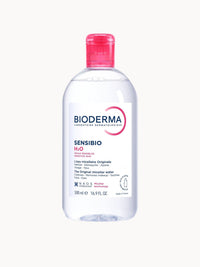
A morning skincare routine begins with gentle cleansing. Although your face may not look dirty after a night's sleep, while you slept your skin produced oils and traces of sweat that need removing before you apply any other products. Choose quality facial cleansers suited to your skin type:
- for dry skin - cream-based, non-foaming cleansers
- for oily skin - gentle gel cleansers that clean without over-drying
- for sensitive skin - hypoallergenic formulas, free from fragrances and preservatives
When cleansing, avoid hot water - use lukewarm water, which won't strip the skin's natural barrier.

Cleansing should take around 30-60 seconds, using gentle circular motions.
2. The benefits of toner - prepping your skin for what comes next
Toner is an often-skipped step, yet it plays an important role - it balances the skin's pH, removes any leftover impurities and prepares your skin to absorb the following products more effectively. Modern toners are no longer drying - they're packed with beneficial ingredients:
- soothing green tea, aloe vera and chamomile
- hydrating glycerine and hyaluronic acid
- gently exfoliating PHA or BHA acids
The easiest way to apply toner is to put it on a cotton pad and gently sweep it across your face, avoiding the eye area. Alternatively, you can spritz it straight into your palms and pat it into the skin.
3. Serum - concentrated active ingredients
Serums are concentrated formulas designed to target specific skin concerns. For your morning routine, choose serums that:
- protect against environmental factors (with antioxidants such as vitamin C and ferulic acid)
- hydrate (with hyaluronic acid)
- calm redness (with niacinamide)
- brighten dark spots (with arbutin and kojic acid)
Apply targeted serums to suit your skin's needs straight after toner, while the skin is still slightly damp - this helps the ingredients absorb better. Just 2-3 drops are enough; gently pat them into the skin.
4. Eye care - attention for a delicate area
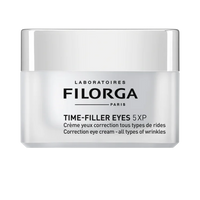
The skin around the eyes is thinner and more delicate than the rest of the face, so it needs special care. For morning use, choose lightweight eye creams that:
- reduce puffiness (with caffeine)
- hydrate (with hyaluronic acid and peptides)
- brighten (with niacinamide and vitamin C)
Apply eye cream with your ring finger (it has the gentlest touch) using a patting motion, without lifting or tugging at the skin. Don't forget that eye cream goes not only under the eyes but also on the upper lid and around the temple area.
5. Moisturising - a protective barrier
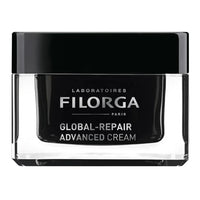
A day cream does double duty - it hydrates and forms a protective barrier. This step is essential even for oily skin - simply choose products with the right texture:
- for dry skin - richer, cream-based moisturisers that protect the skin
- for oily skin - light, water-based gels
- for combination skin - balancing lotions or light emulsions
- for sensitive skin - hypoallergenic creams with barrier-restoring ingredients
Apply your face cream in upward strokes, not forgetting the neck and decolletage, where the skin needs care too.
6. Sun protection - the essential finishing touch
Applying SPF every morning is the single most important step in preventing premature skin ageing. Sun protection is needed whatever the weather or season, because UVA rays penetrate through windows and clouds.
Choose broad-spectrum (UVA/UVB) protection with SPF 30 or higher. If you use a cream with built-in sun protection, make sure its SPF is high enough. Use a teaspoon-sized amount for the face alone, and don't forget your ears, neck and any other exposed areas of skin.
Adapting your routine to your skin type
Skincare isn't one-size-fits-all - different skin types call for different products and methods. It's important to correctly identify your skin type and tailor your morning routine accordingly.

Dry skin: hydration and protection
If your skin often feels tight, flaky or rough, you most likely have dry skin. The key points of your morning routine:
- creamy, non-foaming cleansers
- alcohol-free toners with hydrating ingredients
- a hyaluronic acid serum for hydration
- a rich, nourishing day cream
- a cream-based SPF
Pay particular attention to the central part of the face, where skin tends to dry out the most. Use products with ceramides, squalane and plant oils, which strengthen the skin's lipid barrier.
Oily skin: balancing without over-drying
A shiny T-zone, enlarged pores and a tendency to break out are signs of oily skin. The main principles of a morning routine:
- gentle gel cleansers
- toners with BHA acids (salicylic acid)
- lightweight serums with niacinamide to control oil
- a non-comedogenic, lightweight moisturiser
- a matte, gel or fluid SPF
While it can be tempting to cleanse oily skin intensively, an overly aggressive routine will only trigger more oil production. Aim for balance rather than stripping the skin of oil completely.
Combination skin: a zoned approach
Combination skin features an oily T-zone (forehead, nose and chin) alongside drier cheeks. We recommend:
- moderate cleansing
- balancing toners
- multi-ingredient serums, or using different serums in different zones
- a light moisturiser for the T-zone and a richer one for the cheeks
- a versatile SPF suitable for the whole face
Multi-tasking products with adaptive properties work brilliantly for combination skin - they deliver hydration where it's needed and control oil in problem areas.
Sensitive skin: a minimal but effective approach
Sensitive skin reacts to various triggers with redness, stinging or discomfort. This type of skin needs special attention:
- hypoallergenic cleansers free from sulphates and fragrances
- soothing toners with aloe vera or panthenol
- simple serums with fewer than 10 ingredients
- creams with calming ingredients (bisabolol and oat extract)
- mineral SPF (with zinc oxide or titanium dioxide)
With sensitive skin, less is more - choose products free from fragrances, dyes and potentially irritating preservatives. Patch-test every new product on a small area of skin, watching for any reaction over 24-48 hours.
The needs of mature skin
With age, skin loses moisture and elasticity, and wrinkles begin to form. Mature skin needs:
- a gentle cleansing routine
- an antioxidant serum (vitamin C)
- products containing peptides or retinoids
- intensive hydration with hyaluronic acid
- high-protection SPF (50+)
Mature skin also benefits from a little extra stimulation - gentle massage movements as you apply your products help boost circulation and lymphatic flow.
The most common morning skincare mistakes and how to avoid them
Even a carefully planned skincare routine can fall short of the results you hope for if you're making some fundamental mistakes. Keep an eye out for these common slip-ups in your morning routine:
Skipping SPF or not using enough
Many people skip sun protection on overcast days or in winter, but that's one of the biggest mistakes you can make. UVA rays, responsible for skin ageing, penetrate through clouds and windows. On top of that, we often apply too little product - your face needs roughly a teaspoon-sized amount. Another common error is failing to reapply SPF during the day, especially if you spend time outdoors.
The wrong product order
The principle of layering products is simple - go from the thinnest to the thickest texture. A common mistake is applying serums after cream, which prevents the active ingredients from reaching the deeper layers of the skin. It's also important to let each product absorb for at least 30 seconds before applying the next.
Over-cleansing in the morning
Unlike in the evening, your skin isn't heavily soiled in the morning, so aggressive cleansing - especially with scrubs - can damage the skin barrier. Dermatologists recommend reaching for a gentle cleanser in the morning or, for very sensitive skin, simply rinsing your face with lukewarm water.
Mistakes when combining different active ingredients
Not all active ingredients are compatible with one another. For example, vitamin C and retinoids used together can reduce each other's effectiveness or cause irritation. It's best to use vitamin C and other antioxidants in the morning, and reserve regenerating ingredients for the evening.
Ignoring the neck and decolletage
The skin in these areas is thinner and has fewer oil glands than the face, so it ages faster. A common mistake is applying all your products only to the face, leaving the neck and decolletage neglected. Always extend your entire morning routine down to your collarbones.

Choosing products by age rather than skin type
Many people choose products by age ("25+", "40+"), but it's far more important to consider your skin type and specific needs. A 40-year-old may have oily skin that doesn't suit overly nourishing products, while a 25-year-old with dry skin may need more intensive care than is typical for her age.
Recommended essential products for a morning skincare routine
The foundation of a great morning routine is the right choice of products. Here's what's worth keeping in your bathroom:
A gentle cleanser
Look for cleansers that clean without damaging the skin barrier. It's important that the pH is close to that of skin (around 5.5). Cleansers with glycolic or salicylic acid suit oily skin, while those with ceramides or hyaluronic acid work for dry skin. The main criteria:
- free from SLS/SLES sulphates
- non-comedogenic
- free from irritating fragrances
An active serum
A morning serum should focus on protection and hydration. The key ingredients:
- vitamin C (L-ascorbic acid) - an antioxidant that brightens pigmentation
- niacinamide (vitamin B3) - strengthens the skin barrier and reduces redness
- peptides - stimulate collagen production
- hyaluronic acid - delivers intense hydration
Choose stable formulations in dark bottles, especially for antioxidants, which can be affected by light.
A light but effective moisturiser
The ideal morning face cream provides enough hydration without feeling heavy. The most important ingredients:
- glycerine - hydrates by drawing water from the surroundings
- ceramides - restore the skin barrier function
- squalane - a lightweight oil, similar to the skin's natural oils
- antioxidants - added protection against free radicals
A versatile SPF
Sun protection is the single most important product. Look for these features:
- broad-spectrum protection (UVA/UVB)
- SPF 30 or higher
- a non-comedogenic formula
- water resistance (if you exercise or sweat a lot)
Modern SPF products come in a range of textures - light gels for oily skin, cream formulas for dry skin and tinted versions that can replace a BB cream.
Your product choices should reflect not only your skin type but also the season - opt for lighter textures in summer and more intensive hydration in winter. Dermatologists also recommend switching up your products as your skin's condition changes, since skin responds to hormonal fluctuations, stress and environmental factors.
A consistent morning skincare routine isn't just a quick fix, it's a long-term investment in keeping your skin healthy. The right care helps you avoid many skin problems later in life and keeps your complexion looking youthful and radiant.

Create a routine that becomes a pleasant morning ritual rather than a chore, and enjoy the results you'll notice after just a few weeks of consistent care.
Frequently asked questions
What are the essential steps of a morning routine?
A simple, effective order is: gentle cleanse, serum, moisturiser and SPF. Sun protection is the step you should never skip.
Do I need sunscreen every morning, even in winter?
Yes — UV rays reach your skin on cloudy days and in winter too. Daily SPF helps keep skin looking even and healthy.
Should morning and evening routines be different?
Morning focuses on protection and hydration, evening on cleansing and repair. You can keep the base similar but swap SPF for richer night care.